Vitamin A: Retinol, Beta-Carotene, Daily Needs and the Liver Question
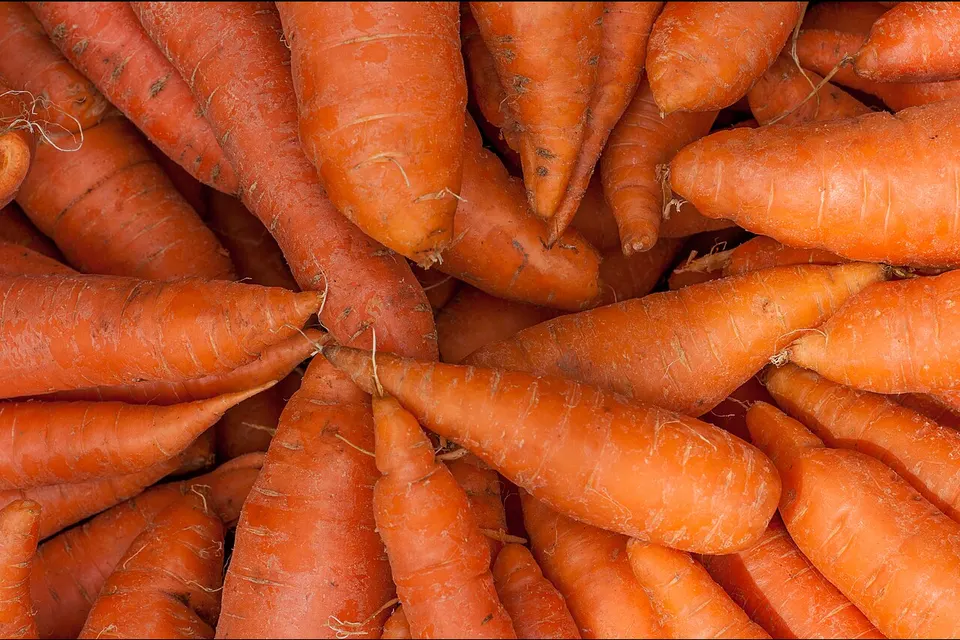
Vitamin A is one of the few vitamins where the form matters as much as the amount. Retinol from animal foods is ready to use and can build up to harmful levels; beta-carotene from orange and green vegetables is converted only as the body needs it. Most people get enough from an ordinary diet, and the real questions are about liver, pregnancy, supplements and the confusing units on labels. Here is what the official sources say.
What vitamin A does
Vitamin A is needed for vision, especially in dim light, for the immune system, for growth and for keeping skin and the linings of the body healthy. It also matters for the development of a baby in the womb. Because it is fat-soluble, the body stores it, mainly in the liver, which is why you do not need to eat it every day and also why too much can accumulate.
It comes in two broad families:
- Preformed vitamin A (retinol and its esters, such as retinyl palmitate and retinyl acetate) is found in animal foods: liver, fish liver oils, oily fish, eggs and dairy. It is also the form used in many supplements and added to some fortified foods.
- Provitamin A carotenoids, chiefly beta-carotene, are found in plants: carrots, sweet potatoes, squash, dark leafy greens, mangoes and apricots. The body converts them into vitamin A, and the conversion slows down when stores are full. That is why beta-carotene from food does not cause vitamin A poisoning; the most it does in large amounts is turn the skin slightly yellow-orange, which is harmless and fades.
How much you need
The UK and US use different reference figures, and both are expressed in micrograms (µg or mcg):
| Group | UK (NHS, adults 19 to 64) | US (RDA, NIH) |
|---|---|---|
| Men | 700 µg a day | 900 mcg RAE a day |
| Women | 600 µg a day | 700 mcg RAE a day |
| Pregnancy (19 and over) | Get it from food; avoid liver and vitamin A supplements | 770 mcg RAE a day |
| Breastfeeding (19 and over) | From food | 1,300 mcg RAE a day |
The NHS view is that you should be able to get all the vitamin A you need from your diet, and that any your body does not need immediately is stored for later. The gap between the UK and US numbers reflects different committees and methods rather than different human needs; the general approach to these figures is explained in how to read reference intakes.
Reading the units: mcg RAE, IU and beta-carotene
Labels are where vitamin A gets confusing. Older labels, and many outside the US and EU, still show international units (IU). Newer US labels use micrograms of retinol activity equivalents (mcg RAE), a unit that tries to account for the fact that the body gets less vitamin A from carotenoids than from retinol. According to the US National Institutes of Health:
- 1 mcg RAE equals 1 mcg of retinol.
- It takes 2 mcg of beta-carotene from a supplement to make 1 mcg RAE.
- It takes 12 mcg of beta-carotene from food to make 1 mcg RAE, because carotenoids in plant cells are less easily absorbed.
- 1 IU of retinol equals 0.3 mcg RAE.
The practical consequence: a label that gives only a total vitamin A figure does not tell you how much of it is retinol. Look for the source in the ingredients or the breakdown (retinyl acetate or palmitate versus beta-carotene). This matters because the safety limits apply to preformed vitamin A, not to beta-carotene from food. Choosing a multivitamin walks through the rest of the label.
Where to find it in food
A varied diet reaches the reference intake without effort. Some typical values from the NIH fact sheet:
| Food and portion | Vitamin A (mcg RAE) |
|---|---|
| Beef liver, pan fried, 3 oz (85 g) | 6,582 |
| Sweet potato, baked in skin, 1 whole | 1,403 |
| Spinach, frozen, boiled, ½ cup | 573 |
| Carrots, raw, ½ cup | 459 |
| Cantaloupe melon, raw, ½ cup | 135 |
| Egg, hard boiled, 1 large | 75 |
Two things stand out. First, a single portion of liver provides several times the adult reference intake, almost all of it as retinol. Second, orange and dark green vegetables make it easy to cover needs without any liver at all. Carotenoids are absorbed better when the vegetables are cooked and eaten with a little fat, such as olive oil on roasted squash or butter on carrots.
The liver question
Liver is the one ordinary food that can push intakes of retinol into the range linked with harm. The NHS advice is direct: if you eat liver or liver pâté more than once a week, you may be having too much vitamin A. Over many years, an average of more than 1.5 mg (1,500 µg) a day of vitamin A may affect your bones, making them more likely to fracture in later life, and the NHS asks older people, including women past the menopause, to keep below that level by not eating liver more than once a week and by not taking supplements containing vitamin A alongside it.
The US sets its tolerable upper intake level for adults at 3,000 mcg a day of preformed vitamin A from food and supplements combined; the level does not include beta-carotene. Acute poisoning from very large doses causes headaches, nausea, dizziness and blurred vision, and long-term excess can damage the liver. These limits, and the ones for other nutrients, are compared side by side in upper limits.
Pregnancy
High intakes of retinol in pregnancy can harm the developing baby. The NHS advises anyone who is pregnant or trying for a baby not to eat liver or liver products such as pâté, and to avoid supplements that contain vitamin A, including fish liver oil. Pregnancy-specific multivitamins are generally made without retinol for this reason, but check the label; the supplements that are recommended in pregnancy, folic acid and vitamin D, are covered in who may need supplements.
Vitamin A creams for the skin are a separate subject. Prescription retinoid medicines, taken by mouth or applied to the skin, carry their own pregnancy warnings, and anyone using them should ask the prescriber or a pharmacist before trying for a baby.
Beta-carotene supplements and smokers
Beta-carotene from food is safe, but high-dose beta-carotene pills are a different matter. Two large trials in the 1990s were set up in the hope that it would prevent lung cancer, and found the opposite:
- In the Finnish ATBC trial, 29,133 male smokers took 20 mg of beta-carotene a day or a placebo; the beta-carotene group had about 18% more lung cancers.
- In the US CARET trial, 18,314 current and former smokers and people exposed to asbestos took 30 mg of beta-carotene plus retinyl palmitate a day; lung cancers were about 28% higher, and the trial was stopped early.
The NHS advises that taking 7 mg or less of beta-carotene supplements a day is unlikely to cause harm, and that people who smoke or have smoked should not take beta-carotene supplements unless a doctor recommends them.
Who may run short
Deficiency is uncommon in the UK and US. Worldwide it remains a serious problem: the World Health Organization describes vitamin A deficiency as the leading cause of preventable blindness in children, and it raises the risk of severe infections such as measles, which is why high-dose supplementation programmes exist in some countries. In wealthier countries, the people most at risk are those who absorb fat poorly, for instance with cystic fibrosis, some forms of liver or bowel disease, or after certain weight-loss operations, and premature babies. In those cases supplements are a medical decision with blood tests, not a shop purchase. Early signs include poor vision in dim light (night blindness) and very dry eyes.
In short
- Adults need about 600 to 900 µg a day depending on sex and country; an ordinary varied diet supplies it.
- Retinol (animal foods, most supplements) can accumulate; beta-carotene from food cannot cause vitamin A poisoning.
- Limit liver to once a week at most, and avoid it and vitamin A supplements in pregnancy.
- Smokers and former smokers should not take beta-carotene supplements unless a doctor advises it.
- On labels, check whether vitamin A is listed as retinol or beta-carotene, and in mcg RAE or IU.
This page is general information, not medical advice. If you are pregnant, take prescription medicines or have a condition that affects how you absorb food, ask a doctor, pharmacist or registered dietitian before taking any supplement containing vitamin A.
Sources
- NHS, Vitamins and minerals: Vitamin A, and "Foods to avoid in pregnancy".
- National Institutes of Health, Office of Dietary Supplements, Vitamin A and Carotenoids: Fact Sheet for Health Professionals (reference intakes, RAE conversions, food values, ATBC and CARET trials).
- World Health Organization, "Vitamin A deficiency" (Nutrition topics).
 Nutrition
Upper limits: when supplements can harm
What tolerable upper intake levels are, the nutrients most often taken in excess, and drug interactions.
 Nutrition
Who may need supplements
Pregnancy, babies, vegans, older adults and people with little sun: the official advice.
 Nutrition
How to choose a multivitamin
Label reading, upper limits, iron and vitamin A, independent testing marks. No brands.