Alcohol and Sleep: Why a Nightcap Helps You Drop Off but Spoils the Second Half of the Night
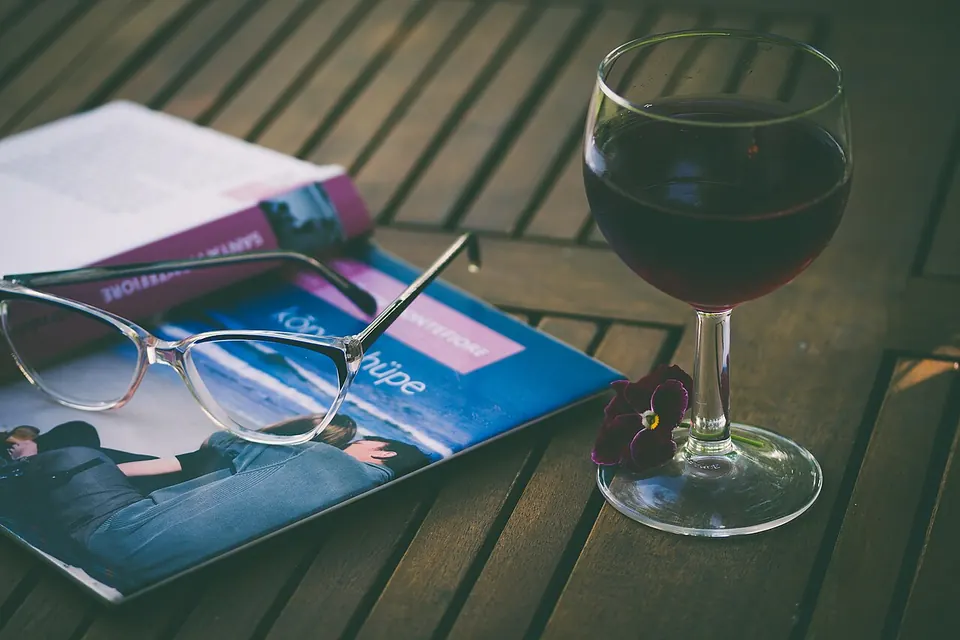
Plenty of people use a glass of wine or a whisky to unwind before bed, and many feel it helps: they drop off faster and sleep deeply at first. The trouble arrives later. Sleep studies consistently show that alcohol taken in the evening reshapes the whole night, and the second half is where most of the cost is paid. Here is what that research says, how long alcohol takes to leave the body, and the official advice on drinking before bed.
What the sleep-lab studies show
The clearest summary comes from a review by a team at the London Sleep Centre, published in 2013 in Alcoholism: Clinical and Experimental Research. The authors pulled together the known studies in which healthy volunteers drank alcohol and then slept in a laboratory, with their brain activity recorded through the night. Their main conclusions:
- Falling asleep is faster. At every dose studied, alcohol shortened the time it took to fall asleep.
- The first half of the night is more solid. Sleep was more consolidated in the first half, and most studies found more deep (slow-wave) sleep in that part of the night.
- The second half is more broken. Again at all doses, sleep disruption increased in the second half of the night.
- Dreaming sleep is pushed back and cut. The first period of REM sleep, the stage most linked with dreaming, started later at all doses; this was the most recognisable effect on REM. At moderate and high doses, the total share of REM sleep across the night fell in most studies.
In other words, the feeling that a drink "helps you sleep" is real, but it describes only the start of the night. The same review is the reason sleep specialists describe alcohol as a poor sleep aid: the improvement is front-loaded and the cost comes in the early hours, when many people notice waking, lighter sleep and vivid dreams.
Why the night splits in two
The pattern makes more sense once you think about timing. Alcohol is absorbed quickly and has a sedating effect while levels in the blood are high, which is why sleep comes easily. The body then clears it steadily through the night. As levels fall, its sedating effect fades and sleep becomes lighter and more fragmented; researchers describe a kind of rebound in the second half of the night. The more you drink and the later you drink, the more of the night falls under this rebound.
Other effects add to the disruption. Alcohol makes you pass more urine, so a full bladder is a common reason to wake. It also relaxes the muscles of the throat, which is why the NHS lists drinking too much alcohol among the causes of snoring and advises people with obstructive sleep apnoea not to drink too much, especially shortly before going to sleep.
How long a drink takes to clear
The NHS defines one UK unit as 10 ml, or 8 g, of pure alcohol, and says this is roughly the amount the average adult can process in an hour. The real rate varies from person to person, but it gives a useful rule of thumb for the evening. Using the NHS figures for common drinks:
| Drink | Units (NHS) | Rough time to process |
|---|---|---|
| Single 25 ml shot of spirits, 40% | 1 | About 1 hour |
| Standard 175 ml glass of wine, 12% | 2.1 | About 2 hours |
| Pint of higher-strength lager or cider, 5.2% | 3 | About 3 hours |
| Large 250 ml glass of wine, 12% | 3 | About 3 hours |
| 750 ml bottle of wine, 13.5% | 10 | About 10 hours |
To work out the units in any drink, the NHS formula is strength (ABV, as a percentage) multiplied by volume in millilitres, divided by 1,000. On these figures, two large glasses of wine finished at 10 pm leave about six units still to clear, which takes the body to around 4 am: the very part of the night where sleep is most disturbed.
What the NHS advises
- Keep a gap before bed. The NHS advice on insomnia is not to smoke or drink alcohol, tea or coffee at least 6 hours before going to bed. Caffeine works on a similar timescale, as explained in caffeine and sleep.
- Stay within low-risk limits. Men and women are advised not to drink more than 14 units a week on a regular basis, to spread drinking over three or more days if they regularly drink that much, and to have several drink-free days each week. The NHS calls this "low risk" rather than "safe", because there is no safe drinking level.
- Do not use alcohol to treat insomnia. If you have been sleeping badly for weeks, the NHS route is to look at sleep habits first and to see a GP if they do not help; cognitive behavioural therapy for insomnia is often offered, and sleeping pills are now rarely prescribed and only for short periods.
If you do drink in the evening
Most people do not need to give up a glass with dinner to sleep reasonably well. A few habits limit the damage:
- Drink earlier rather than later. A drink with an early meal has more hours to clear than one in front of the late film.
- Count the units, not the glasses. Home pours are often larger than a standard 175 ml glass, and stronger wines and craft beers carry more units than you might expect.
- Alternate with water and eat with your drink; both slow the pace.
- Keep drink-free evenings and notice how you sleep on them. Many people find the difference in the early hours easier to feel than to measure.
- Never combine alcohol with sleeping tablets or other sedating medicines unless a doctor or pharmacist has said it is safe.
If a drink has become the only way you can switch off, it is worth building a different wind-down. Dimming the lights, keeping regular sleep and wake times and getting daylight in the morning all help the body clock; daylight and your circadian rhythm explains how. And if you are regularly waking tired despite enough time in bed, how much sleep adults need sets out what a good night should look like.
In short
- Alcohol helps you fall asleep and deepens the first half of the night, then disrupts the second half; this held at all doses in sleep-lab studies.
- It delays dreaming (REM) sleep and, at moderate and high doses, reduces it across the night.
- The average adult processes about one UK unit an hour, so evening drinks are often still being cleared in the early hours.
- The NHS advises no alcohol for at least 6 hours before bed for people with insomnia, and no more than 14 units a week for everyone.
This page is general information, not medical advice. If you are worried about your drinking or your sleep, talk to a GP or pharmacist. In the UK, the NHS lists free alcohol support services on its website.
Sources
- Ebrahim IO, Shapiro CM, Williams AJ, Fenwick PB. Alcohol and sleep I: effects on normal sleep. Alcoholism: Clinical and Experimental Research 2013;37(4):539–549.
- NHS, Alcohol units, and "The risks of drinking too much".
- NHS, "Insomnia", "Sleep apnoea" and "Snoring" condition pages.
 Sleep
Caffeine and sleep: how late is too late?
Trials show caffeine can cut sleep even when taken six hours before bed. What that means for your last coffee.
 Sleep
How much sleep adults need
Not one magic number but a range: what sleep societies, the CDC and the NHS recommend.
 Sleep
Daylight and your body clock
Bright days, dim evenings, dark nights: lighting a home for the circadian rhythm.