Healthy Home Checklist Before You Sign a Lease: Damp, Ventilation, Daylight
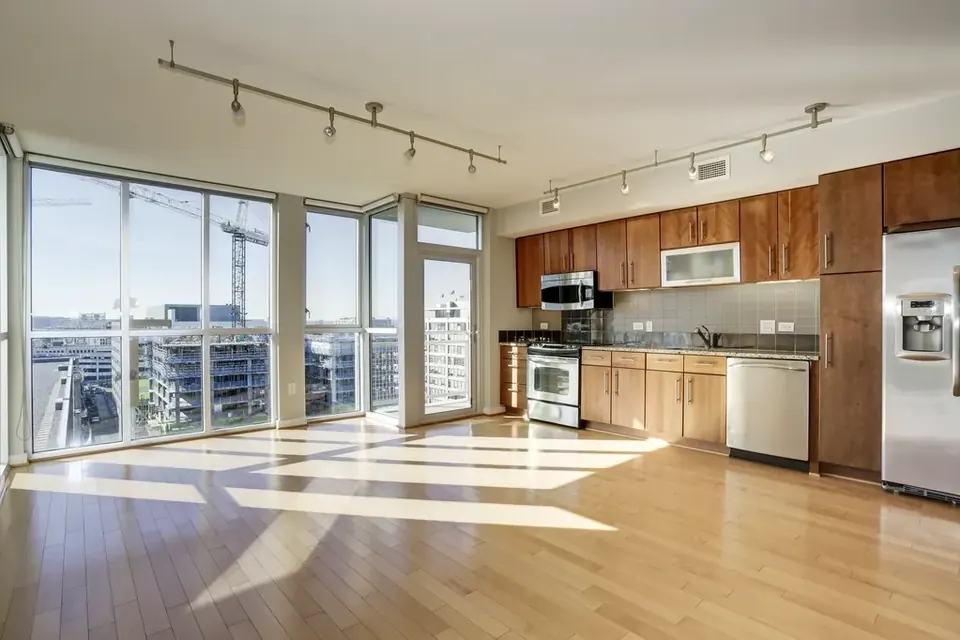
A viewing usually lasts fifteen minutes, and most of it goes on the layout and the rent. Yet the things that most affect your health in a rented home, damp, stale air, poor light and unsafe heating, are often visible if you know where to look. This checklist is built from official guidance and fits on one phone screen.
Why it matters before, not after
The World Health Organization's 2009 guidelines on dampness and mould found sufficient evidence linking damp and mouldy homes with respiratory symptoms, asthma and respiratory infections. Its 2018 Housing and health guidelines add that cold homes harm health, and recommend an indoor temperature of at least 18 °C in the cold season for the general population, and more for the very young, older people and those with chronic illness. Once you have signed, fixing any of this depends on the landlord's goodwill and the law where you live; before you sign, you can simply walk away or negotiate.
1. Damp and mould: look, sniff, touch
- Smell first. A musty, earthy smell on entering, especially in a freshly painted flat, is often the first sign of hidden mould.
- Check the cold places. Mould grows where surfaces are coldest: corners of outside walls, behind wardrobes, around window frames, under sinks, on bathroom ceilings. Ask to move a piece of furniture away from an outside wall.
- Look for the traces of a cover-up. Fresh paint on just one patch of ceiling, stain-block primer, or new silicone around a bath can be innocent, but ask what was fixed and when.
- Windows. Black spots on seals, rotten or swollen frames, and puddles on sills are signs of regular heavy condensation.
- Outside. Look at gutters, downpipes and the wall below them. Green streaks or crumbling render suggest water running down the wall, which no amount of airing will fix.
If you own a cheap hygrometer, take it. The US Environmental Protection Agency recommends keeping indoor relative humidity below 60%, ideally between 30% and 50%. One reading during a short visit proves little, but a reading well above 60% in an empty flat with no one cooking or showering is a warning. Our guide to healthy humidity, condensation and mould explains the numbers.
2. Ventilation: can moisture and fumes get out?
Most indoor moisture comes from cooking, showers and drying laundry, so the kitchen and bathroom matter most.
- Turn the fans on. Does the bathroom fan run, and is it loud enough to suggest it is moving air? Does the cooker hood vent outside, or only recirculate through a filter? In England, the 2021 edition of Approved Document F, which sets standards for new building work, asks for intermittent extract rates of 15 litres per second in a bathroom, and 30 l/s from a cooker hood (or 60 l/s from a fan elsewhere in the kitchen). An older flat does not have to meet it, but it is a useful benchmark: a silent, dusty fan grille is not ventilation.
- Trickle vents and windows. Are there vents in the window frames, and do they open? Can every room's windows open safely, including in bedrooms?
- Laundry. Where will you dry clothes? A flat with no outdoor space, no vented dryer connection and small windows will push you towards drying indoors, which adds litres of water to the air each load.
- Combustion appliances. A gas boiler in a cupboard, an open fire or a stove all need a flue and air supply. Ask when they were last serviced.
For the wider picture of pollutants and airing habits, see indoor air quality and ventilation.
3. Daylight and outlook
Daylight affects mood, sleep timing and how often you will reach for the light switch. The European standard EN 17037 (Daylight in buildings) sets targets for designers, but at a viewing you can only judge by eye, so:
- Note the orientation. Use the compass on your phone. In the northern hemisphere, south-facing living rooms get the most direct sun, north-facing ones the most even, dimmer light.
- Visit in daylight, and if you can, at the time of day you will actually be home. A flat viewed at noon may be dark by mid-afternoon if a neighbouring building blocks the low sun.
- Look up from the windows. How much sky can you see from where you would sit or work? Basements and deep rooms with one small window are often dim all day.
- Bedrooms. Too much light matters too: a street light outside the bedroom window, or no room for blackout curtains, can disturb sleep. Our piece on daylight and the body clock covers why.
4. Warmth
- Ask what heats each room and how the hot water works. Feel the radiators if the heating is on.
- Ask for the energy certificate. In England and Wales, a privately rented home generally needs an Energy Performance Certificate rated at least E, and the landlord must show it to prospective tenants. A poorly insulated home is harder to keep at 18 °C, and colder walls mean more condensation.
- Single glazing, draughty sash windows and uninsulated top-floor ceilings are not deal-breakers, but they change what the home will cost you to heat each winter.
5. Radon and carbon monoxide
Radon is a natural radioactive gas that seeps up from the ground and, according to the WHO, the second most important cause of lung cancer after smoking in many countries. The WHO recommends a national reference level of 100 becquerels per cubic metre (Bq/m³), and no more than 300 where 100 is not achievable. The UK uses an action level of 200 Bq/m³ for homes; the US EPA recommends fixing homes at or above 4 picocuries per litre (about 148 Bq/m³). Radon matters most on ground floors and in basements in affected areas. Check the official map for your country (the UK Health Security Agency publishes one at UKradon) and ask whether the home has been tested.
Carbon monoxide has no smell. In England, since 1 October 2022, private and social landlords must fit a carbon monoxide alarm in any room used as living accommodation that contains a fixed combustion appliance (gas cookers excepted), and a smoke alarm on every storey. Press the test buttons. Landlords in England must also have gas appliances checked every year by a Gas Safe registered engineer and give tenants a copy of the record.
6. Questions to ask the landlord or agent
- Has there been any damp, mould or leak in the last two years? What was the cause and what was done?
- When were the extractor fans, boiler and any flues last checked? Can I see the latest gas safety record?
- What is the energy rating, and can I see the certificate?
- Has the home been tested for radon (where relevant)?
- How do I report repairs, and how quickly are urgent ones usually handled?
- Can the previous tenant's heating bills give an idea of running costs?
Ask for answers that matter in writing, by email. In England, social landlords have been bound since 27 October 2025 by Awaab's Law, which sets fixed deadlines to investigate and fix damp and mould that pose a significant risk; the Renters' Rights Act 2025 allows the government to extend it to private renting, but as of October 2026 no start date for private tenancies has been set.
Weighing it up
No home scores perfectly. A slightly dim flat with good fans and dry walls may be healthier than a bright one with mould behind the wardrobe. Before you decide, compare asking rents for similar homes in the same neighbourhood on a rental listings site, so you know whether a dry, bright, well-ventilated place is fairly priced or whether the cheaper flat is cheap for a reason. And if you sign, photograph every room on moving-in day, including any marks you were told about, and keep them with your tenancy papers.
This page is general information, mostly drawn from guidance for England, the US and the WHO. Rules on alarms, energy ratings and repairs differ between countries and regions: check your local housing authority.
Sources
- World Health Organization Regional Office for Europe, WHO guidelines for indoor air quality: dampness and mould (2009).
- World Health Organization, WHO Housing and health guidelines (2018).
- US Environmental Protection Agency, A brief guide to mold, moisture and your home.
- UK Government, Ventilation: Approved Document F (2021 edition).
- World Health Organization, Radon and health (fact sheet).
- UK Health Security Agency, UKradon (radon maps and action level).
- US Environmental Protection Agency, Radon.
- UK Government, Smoke and Carbon Monoxide Alarm (Amendment) Regulations 2022: guidance for landlords and tenants.
- Health and Safety Executive, Gas safety: landlords and letting agents.
- UK Government, Domestic private rented property: minimum energy efficiency standard.
- UK Government, Awaab's Law in the social rented sector.
 Healthy home
Healthy humidity and mould
The 30–50% range, condensation, and cleaning small patches safely.
 Healthy home
Indoor air quality at home
Cooking, wood stoves, VOCs, radon and the cheap fixes that actually work.
 Sleep
Daylight and your body clock
Bright days, dim evenings, dark nights: lighting a home for the circadian rhythm.