Iron: Needs, Anaemia, Absorption and Why Supplements Need Care
Iron deficiency is the most common nutritional deficiency in the world, and the main cause of anaemia. Yet iron is also one of the few nutrients where taking a supplement "just in case" can cause real harm. Both facts shape the official advice: test, then treat.
What iron does
Most of the body's iron is in haemoglobin, the protein in red blood cells that carries oxygen from the lungs to the tissues. Iron is also part of myoglobin in muscles and of enzymes involved in energy production. The body has no active way to excrete excess iron: it controls its iron balance mainly by adjusting how much it absorbs from the gut, through a hormone called hepcidin.
Reference intakes
| Group | US RDA (NIH ODS) | UK reference nutrient intake |
|---|---|---|
| Men 19+ | 8 mg | 8.7 mg |
| Women 19–50 | 18 mg | 14.8 mg |
| Women 51+ | 8 mg | 8.7 mg |
| Pregnancy | 27 mg | No increment (needs met from stores and increased absorption) |
| Upper limit, adults | 45 mg | NHS: 17 mg or less a day from supplements unlikely to cause harm |
Women of reproductive age need more because of menstrual losses. EFSA sets a population reference intake of 11 mg for men and 16 mg for premenopausal women. The US advises that vegetarians may need about 1.8 times the RDA, because iron from plant foods is less well absorbed. The NHS notes that the UK figures for women of childbearing age may not cover those with heavy periods.
Haem and non-haem iron
Food contains two forms of iron:
- Haem iron, in meat, poultry and fish, is absorbed relatively efficiently.
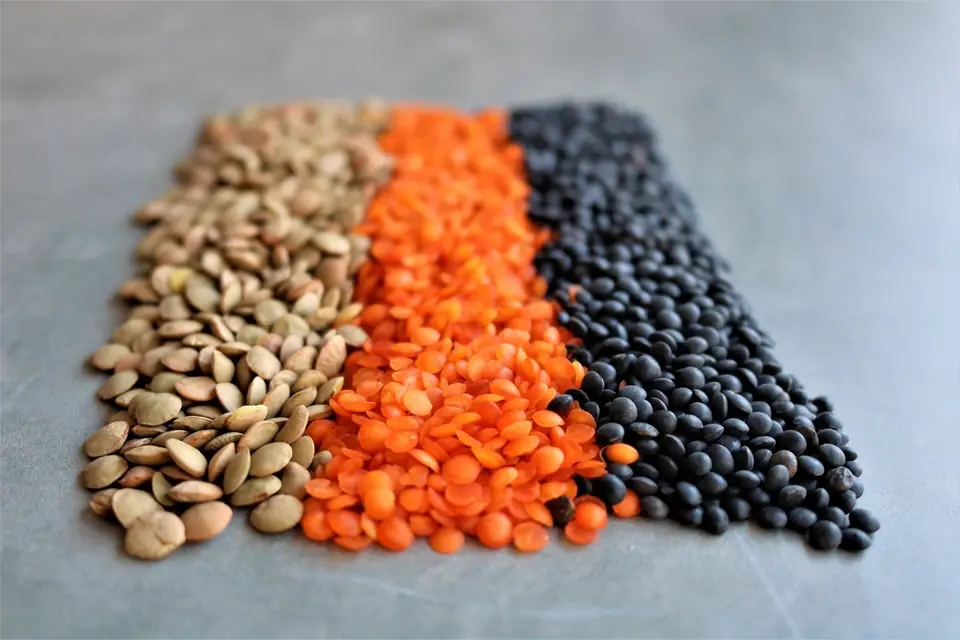
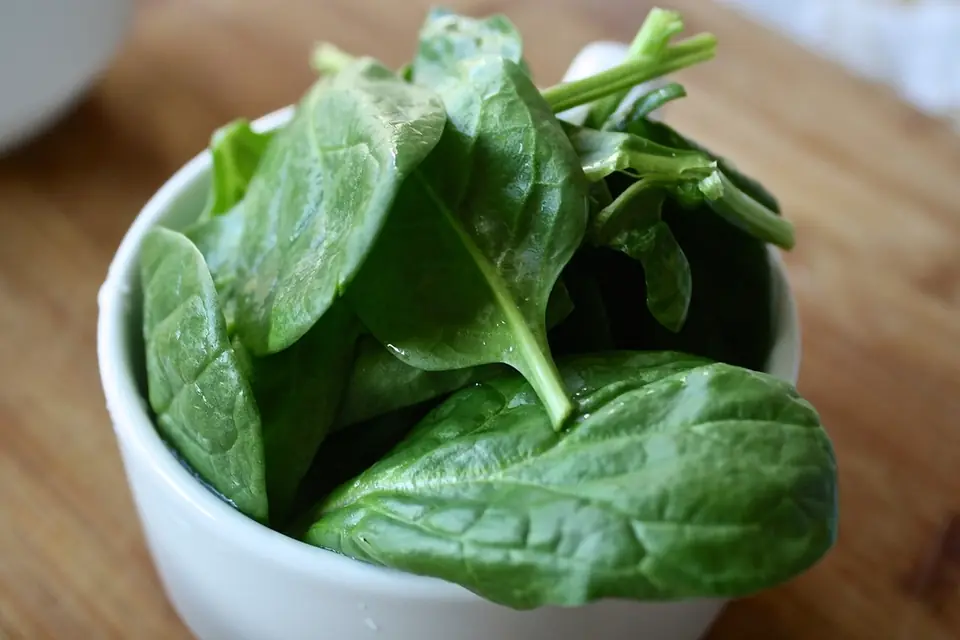
- Non-haem iron, in pulses, dark green leafy vegetables, nuts, seeds, wholegrains, dried fruit and fortified breakfast cereals (and also in animal foods), is absorbed less efficiently and is more affected by the rest of the meal.
Vitamin C and meat, fish or poultry eaten in the same meal increase non-haem iron absorption. Tea and coffee (through polyphenols), calcium and phytates in wholegrains and pulses decrease it. This is why dietitians often suggest drinking tea between meals rather than with them, and pairing plant sources of iron with vitamin C-rich foods.
Who is at risk
The World Health Organization estimates that anaemia affects about 40% of children aged 6 to 59 months, 37% of pregnant women and 30% of women aged 15 to 49 worldwide (2019 figures). Iron deficiency is a major cause, alongside other nutritional deficiencies, infections such as malaria, and inherited blood disorders. In high-income countries, groups at higher risk include:
- people with heavy menstrual bleeding;
- pregnant people, whose blood volume expands and who supply iron to the fetus;
- infants and toddlers, especially those born preterm or drinking large amounts of cow's milk;
- frequent blood donors;
- people with gastrointestinal blood loss (from ulcers, some medicines such as aspirin and other anti-inflammatories, or bowel cancer);
- people with coeliac disease, inflammatory bowel disease or previous gastric surgery;
- people with heart failure or chronic kidney disease.
Unexplained iron deficiency in men and in women after the menopause needs investigation, because it may be a sign of bleeding in the gut, including from bowel cancer. This is a key reason not to self-treat with supplements: the tablets may correct the blood count while the cause goes undetected.
Symptoms and testing
Iron deficiency develops in stages: stores fall first, then iron supply to tissues drops, and finally anaemia appears. Symptoms include tiredness, lack of energy, shortness of breath, pale skin, heart palpitations, headaches and, sometimes, cravings to eat ice or non-food items (pica) or restless legs.
A doctor diagnoses it with a full blood count (haemoglobin and red cell size) and serum ferritin, which reflects iron stores. Ferritin also rises with inflammation, so a "normal" ferritin does not always rule out deficiency in someone with an inflammatory condition; other markers such as transferrin saturation can help.
Treatment is a medical decision
When iron deficiency is confirmed, oral iron tablets are usually the first treatment, with the dose chosen by the prescriber. Common side effects include constipation, nausea, stomach pain and dark stools. Research on hepcidin has shown that a dose of iron raises hepcidin for about a day, which reduces absorption of the next dose; studies such as Stoffel et al. (Lancet Haematology, 2017) found that giving iron on alternate days improved the fraction absorbed in iron-depleted women. Some guidelines now accept alternate-day dosing, but the regimen should be agreed with the clinician managing treatment. Intravenous iron is used when oral iron is not tolerated, not absorbed or not fast enough.
The risks of too much iron
- Digestive effects. The US upper limit of 45 mg a day for adults was set to avoid gastrointestinal side effects such as constipation and nausea.
- Accidental poisoning in children. According to the NIH ODS, accidental overdose of iron-containing products has been a leading cause of fatal poisoning in children under six in the United States. Iron supplements, including adult multivitamins with iron, must be kept out of reach of children.
- Haemochromatosis. This inherited condition, common in people of northern European descent, causes the body to absorb too much iron, which builds up in the liver, heart, pancreas and joints. People with haemochromatosis should not take iron supplements, and high-dose vitamin C supplements can worsen iron absorption.
- Interactions. Iron reduces the absorption of some medicines, including levothyroxine, levodopa and certain antibiotics (tetracyclines and quinolones). Doses usually need to be separated; a pharmacist can advise.
In short
- Adult men need about 8 mg a day; women aged 19 to 50 need more (US: 18 mg; UK: 14.8 mg).
- Haem iron from animal foods is better absorbed; vitamin C helps plant iron, tea and calcium hinder it.
- Iron deficiency should be confirmed by blood tests and its cause investigated before treatment.
- The adult upper limit is 45 mg a day; iron supplements are dangerous for young children and for people with haemochromatosis.
This page is general information, not medical advice. Do not start iron supplements without speaking to a doctor, who can check whether you are deficient and why.
Sources
- NIH Office of Dietary Supplements, Iron fact sheet for health professionals.
- NHS, Iron and Iron deficiency anaemia.
- World Health Organization, Anaemia fact sheet.
- EFSA, Dietary reference values finder.
- Stoffel NU et al. Iron absorption from oral iron supplements given on consecutive versus alternate days and as single morning doses versus twice-daily split dosing in iron-depleted women. Lancet Haematol 2017;4(11):e524–e533.