Vitamin K: K1 and K2, Daily Needs, Newborns and the Warfarin Question
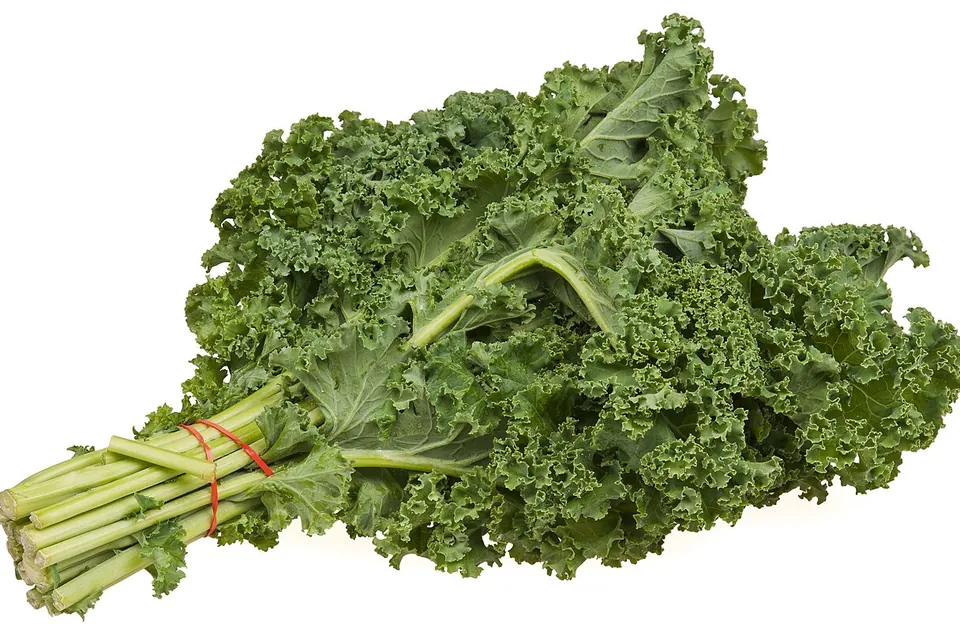
Vitamin K rarely makes the headlines that vitamin D or vitamin C do, yet it has one of the most direct jobs of any vitamin: without it, blood does not clot properly. Most adults get plenty from ordinary food. The questions that matter in practice are narrower: why every newborn is offered a dose, why people taking warfarin are told to watch their greens, and whether the K2 supplements sold "for bones and arteries" are worth it.
What vitamin K does
Vitamin K is the name for a family of fat-soluble compounds. The NHS describes it simply as a group of vitamins the body needs for blood clotting, helping wounds to heal. In the liver, vitamin K allows several clotting proteins to be "switched on" by a chemical change that lets them bind calcium. The same mechanism activates proteins in bone and in the walls of blood vessels.
The name comes from the German Koagulation. The Danish biochemist Henrik Dam noticed in 1929 that chicks fed a diet stripped of fat developed bleeding, and traced it to a missing fat-soluble factor. He shared the 1943 Nobel Prize in Physiology or Medicine with Edward Doisy, who worked out its chemical structure.
K1 and K2: two forms, different sources
- Vitamin K1 (phylloquinone) is made by plants and is the main form in most diets. It is concentrated in dark green leafy vegetables, because it takes part in photosynthesis.
- Vitamin K2 (menaquinones) is a set of related molecules labelled MK-4, MK-7 and so on. MK-4 is found in animal foods such as eggs, meat and some cheeses, and the body also converts some K1 into it. The longer forms, such as MK-7, are made by bacteria: natto, the Japanese fermented soybean dish, is by far the richest source.
Official intake figures deal mostly with K1. The European Food Safety Authority considered menaquinones in its 2017 review but concluded that the evidence on their absorption and function was too thin to set separate values, so its figures apply to phylloquinone only.
How much you need
Unlike most vitamins, vitamin K has no established average requirement: the data are not good enough. Every official body therefore sets an "adequate intake", the level at which healthy people appear to be well supplied. Our guide to reading reference intakes explains how an adequate intake differs from an RDA.
| Body | Adults | Notes |
|---|---|---|
| NHS (UK) | About 1 microgram per kilogram of body weight a day | A 65 kg adult needs about 65 mcg |
| EFSA (EU, 2017) | 70 mcg a day of phylloquinone | Derived from 1 mcg/kg; same for pregnancy and breastfeeding |
| US National Academies | Men 120 mcg, women 90 mcg a day | Adequate intakes; the US figure is used for "% Daily Value" on labels |
The US values are higher because they were based on typical intakes in American surveys rather than on body weight. None of these figures is a target you need to hit every day: the NHS points out that the body stores vitamin K in the liver, so a varied diet over the week is what counts.
Where to find it
The NHS lists green leafy vegetables such as broccoli and spinach, vegetable oils and cereal grains as good sources, with smaller amounts in meat and dairy foods. In practice:
- Dark leafy greens (kale, spinach, collard and turnip greens, chard, watercress) are in a class of their own: a single portion can provide several times the adult adequate intake.
- Brassicas such as broccoli, Brussels sprouts and cabbage, and salad leaves, are solid everyday sources.
- Vegetable oils, especially soybean and rapeseed (canola) oil, add a surprising amount through cooking and spreads.
- K2 comes from eggs, meat, some hard and soft cheeses and, above all, natto.
Being fat-soluble, vitamin K is absorbed better with a little fat, such as a salad dressing.
Who may run short
Clinically significant deficiency is rare in healthy adults. It is seen mainly in people who absorb fat poorly (for example with coeliac disease, cystic fibrosis, inflammatory bowel disease or after some bariatric surgery), in people taking long courses of certain antibiotics, and in those with very poor diets. The sign that matters is bleeding: easy bruising, nosebleeds, bleeding gums or heavy periods.
Newborns: why the injection is offered
Babies are the one group in which low vitamin K is expected. Little vitamin K crosses the placenta, the newborn gut has not yet been colonised by bacteria, and breast milk contains only small amounts. A small number of babies therefore develop vitamin K deficiency bleeding. It is rare, but when it happens the bleeding can occur in the brain and cause lasting damage or death.
For that reason, maternity services in the UK and many other countries offer vitamin K to every baby shortly after birth. A single injection into the thigh is the usual method and protects almost all babies. It can also be given by mouth in several doses over the first weeks, a route not recommended for babies who are premature, unwell or at higher risk of bleeding. Formula milk contains added vitamin K. Concerns raised in the early 1990s about a link between the injection and childhood cancer were not confirmed by later research. Parents can discuss it with their midwife; see also our guide on who may need supplements.
Warfarin: steady, not zero
Warfarin works by blocking the recycling of vitamin K in the liver, which slows clotting. More vitamin K in the diet means warfarin has less effect; a sudden drop means more. The NHS warns that foods high in vitamin K, such as broccoli, spinach and other green leafy vegetables, can affect how warfarin works. It does not tell patients to stop eating them: it says to talk to the warfarin clinic, to avoid vitamin K supplements, and to check with a doctor before any big change in diet.
In practice, anticoagulation clinics usually advise keeping vitamin K intake roughly consistent from week to week, so that the dose can be set around it. A new green smoothie habit or a multivitamin containing vitamin K is worth mentioning at the next blood test. Newer anticoagulants such as apixaban or rivaroxaban work differently and are not affected by vitamin K in food.
Bones, arteries and K2 supplements
Because it activates proteins in bone and vessel walls, vitamin K has been studied for osteoporosis and for calcification of the arteries. In Japan, a high-dose form of MK-4 (menatetrenone) is used as a treatment for osteoporosis. Elsewhere, randomised trials of vitamin K supplements for bone density, fractures or arterial stiffness have produced mixed results, and no UK or EU health authority recommends vitamin K supplements for bone or heart health in the general population. The NHS limits itself to noting some evidence that vitamin K may help keep bones healthy.
The cautious reading is that the evidence supports eating vitamin K-rich foods, not buying K2 capsules.
Is too much a problem?
Neither the US National Academies nor EFSA has set a tolerable upper intake level for vitamin K, because adverse effects from food or supplements have not been documented in healthy people. The NHS states that taking 1 mg (1,000 mcg) or less a day of vitamin K supplements is unlikely to cause any harm, while noting that the effects of long-term high doses are not well known. The serious caveat is warfarin, as above. Our page on upper limits shows how vitamin K compares with nutrients where excess is a real concern, and the guide to choosing a multivitamin explains how to spot vitamin K on a label.
In short
- Vitamin K is essential for blood clotting; adults need roughly 1 mcg per kilogram of body weight a day (UK and EU), or 90 to 120 mcg (US).
- Leafy greens and vegetable oils supply K1; eggs, cheese, meat and natto supply K2.
- Newborns are offered a vitamin K injection because they are born with very low levels.
- On warfarin, keep vitamin K intake steady, avoid supplements and talk to your clinic before changing your diet.
- K2 supplements for bones or arteries are not backed by consistent trial evidence.
This page is general information, not medical advice. If you take warfarin or another anticoagulant, have a condition that affects fat absorption, or are deciding about vitamin K for your baby, talk to your doctor, pharmacist or midwife.
Sources
- NHS, Vitamins and minerals: vitamin K.
- NHS, Warfarin (section on other medicines, food and drink).
- EFSA Panel on Dietetic Products, Nutrition and Allergies. Dietary reference values for vitamin K. EFSA Journal 2017;15(5):4780.
- Institute of Medicine (US) Panel on Micronutrients. Dietary Reference Intakes for Vitamin A, Vitamin K, Arsenic, Boron, Chromium, Copper, Iodine, Iron, Manganese, Molybdenum, Nickel, Silicon, Vanadium, and Zinc. National Academies Press, 2001.
- The Nobel Prize in Physiology or Medicine 1943, awarded to Henrik Dam and Edward A. Doisy for the discovery of vitamin K and its chemical nature.
 Nutrition
Upper limits: when supplements can harm
What tolerable upper intake levels are, the nutrients most often taken in excess, and drug interactions.
 Nutrition
How to choose a multivitamin
Label reading, upper limits, iron and vitamin A, independent testing marks. No brands.
 Nutrition
Who may need supplements
Pregnancy, babies, vegans, older adults and people with little sun: the official advice.